Published: 2025-08-29
The Department of Journalism at Hong Kong Baptist University (HKBU) hosted a workshop titled “Generative AI and Journalism: Theory and Practice” on 15 August, 2025. The event brought together scholars from HKBU, City University of Hong Kong, and Shenzhen University, alongside distinguished speakers from Taiwan and China. The workshop aimed to explore the challenges journalism faces in the era of artificial intelligence, identify effective strategies for navigating these changes, and provide a platform for sharing cutting-edge research and fostering cross-institutional collaboration.
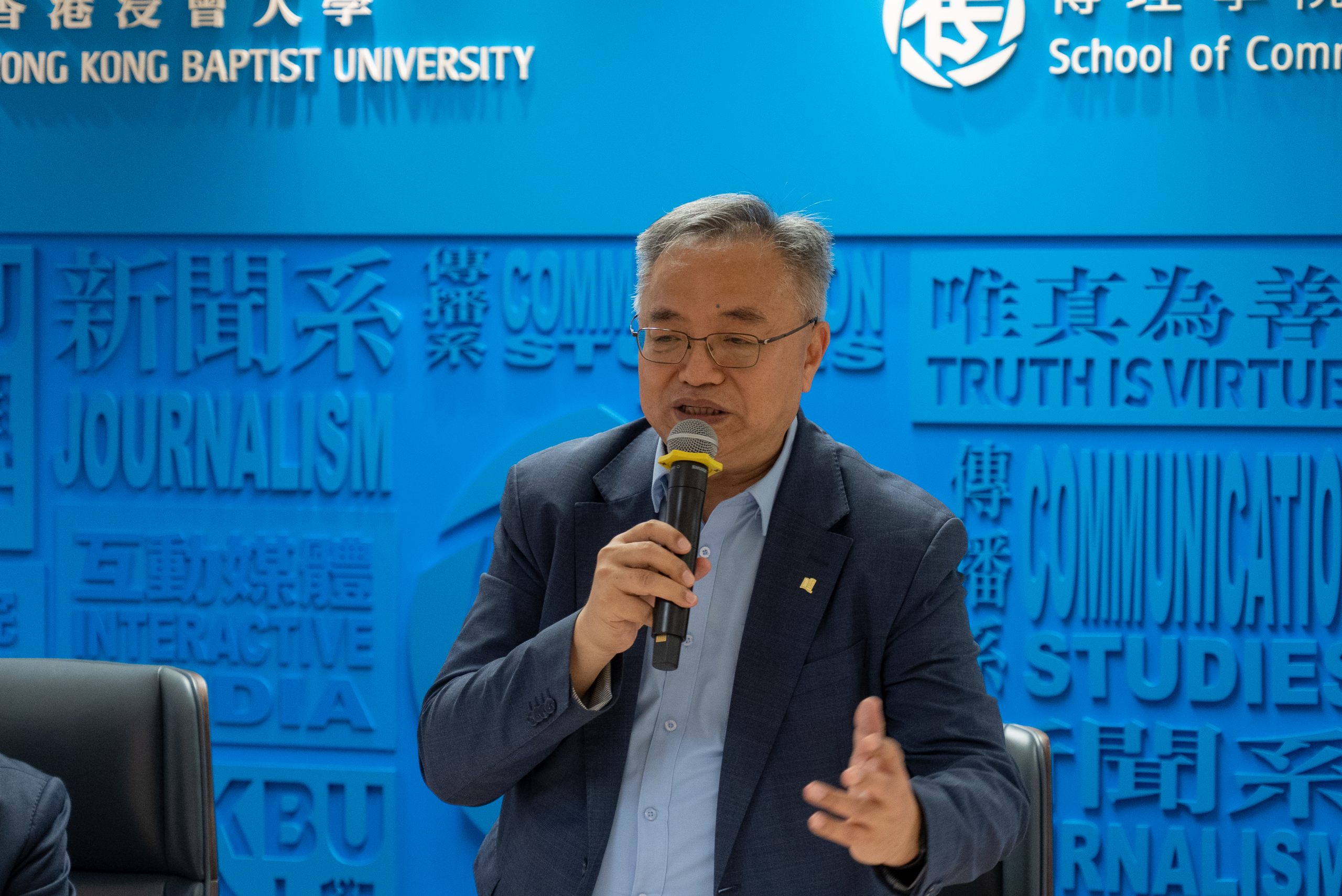 |
Raymond Li speaking at the workshop |
Raymond Li, Head of Journalism Department at the School of Communication, HKBU, in his opening remarks, emphasized the urgent need to examine the evolving role of journalism in the age of artificial intelligence. He underscored the importance of fostering cross-institutional collaboration to address emerging challenges and to advance innovative research in the field.
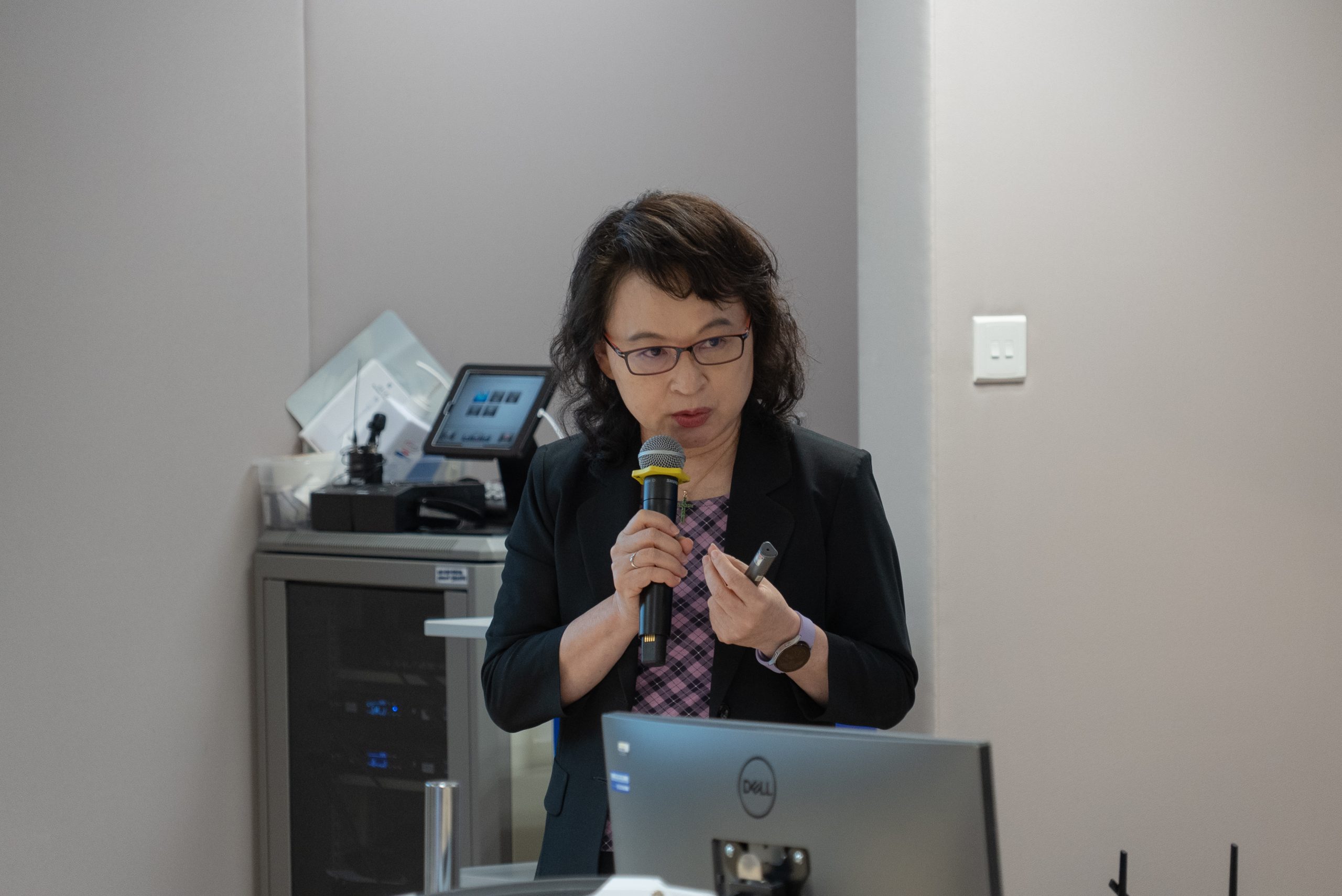 |
Huei-ling Liu speaking at the workshop |
The first session of the workshop focused on the application and integration of AI tools into newsrooms. Huei-ling Liu, Professor at Taipei University of the Arts shared her research exploring the adoption of AI among Taiwanese journalists where she highlighted methodological trends and theoretical implications of her findings. Nick Zhang, Assistant Professor in the Department of Journalism, shared insights into Hong Kong’s media landscape, identifying key opportunities and challenges of AI adoption by journalists in the city.
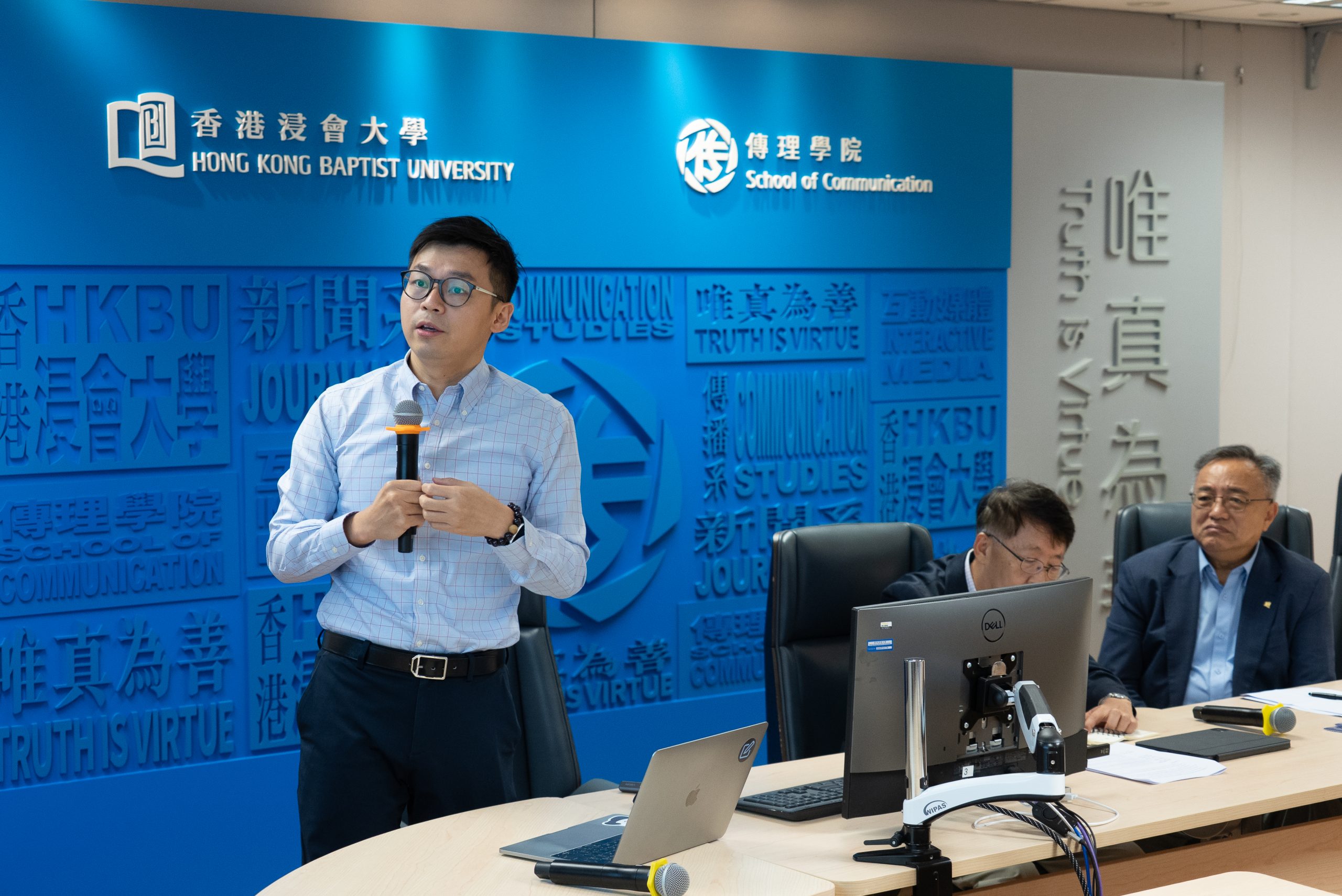 |
Nick Zhang speaking at the workshop |
Expanding the scope of the discourse, Ran Wei, Associate Dean (Research and Development) and Professor in the Department of Communication Studies provided a comparative analysis of journalists’ attitudes toward AI tools across Hong Kong, China, and Taiwan, and proposed several theoretical entry points for comparative study. Ven-hwei Lo, Professor at Taiwan Chengchi University, also spoke about constructing new variables and theoretical models in AI and journalism research, offering a roadmap for operationalizing concepts and model development.
Panelists in the second session of the workshop examined public perceptions of artificial intelligence and emphasized the importance of using computational methods to advance research in AI and journalism. Xin Yu, Professor at Shenzhen University, shared findings from a global journalism survey, comparing how audiences in different countries understand AI’s role in news production. He also introduced the preliminary design of a multi-agent public opinion simulation system, illustrating how computational communication methods can advance research in journalism and communication and inform new theories of intelligent communication.
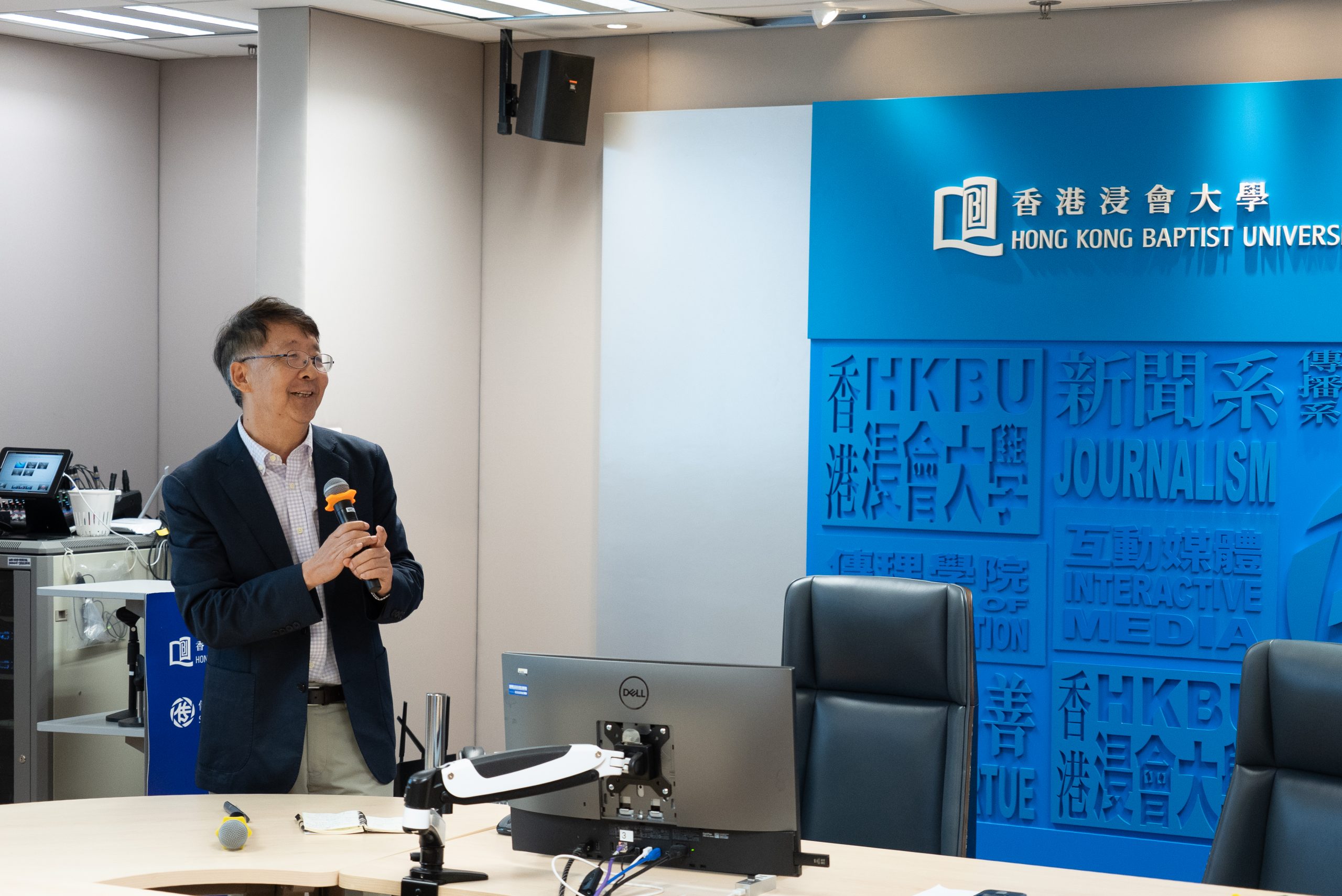 |
Ran Wei speaking at the workshop |
During the interactive session which centered on AI as a transformative force in journalism and content creation, the participants discussed baselines for cross-regional comparisons such as institutional contexts, social norms, and cultural traditions. They further examined variables shaping both journalists’ and the public’s acceptance of AI. The conversation also addressed the risks and opportunities that generative AI brings to journalistic practice, from accuracy and transparency to ethics.
The workshop converged on three forward-looking directions for research. First, comparative work should clarify what is and is not feasible across regions, prioritizing dimensions with the greatest explanatory power, particularly cultural traditions, media institutions, and social norms, to enhance validity and insight. Second, future studies should foreground organizational dynamics of AI adoption by identifying key units of change and by drawing on theories of adaptation and transformation. Third, trust emerged as a core theme. Therefore, scholars should explore how AI can enhance credibility in news production, thereby strengthening trust and guiding practical pathways for AI-enabled newsroom innovation.
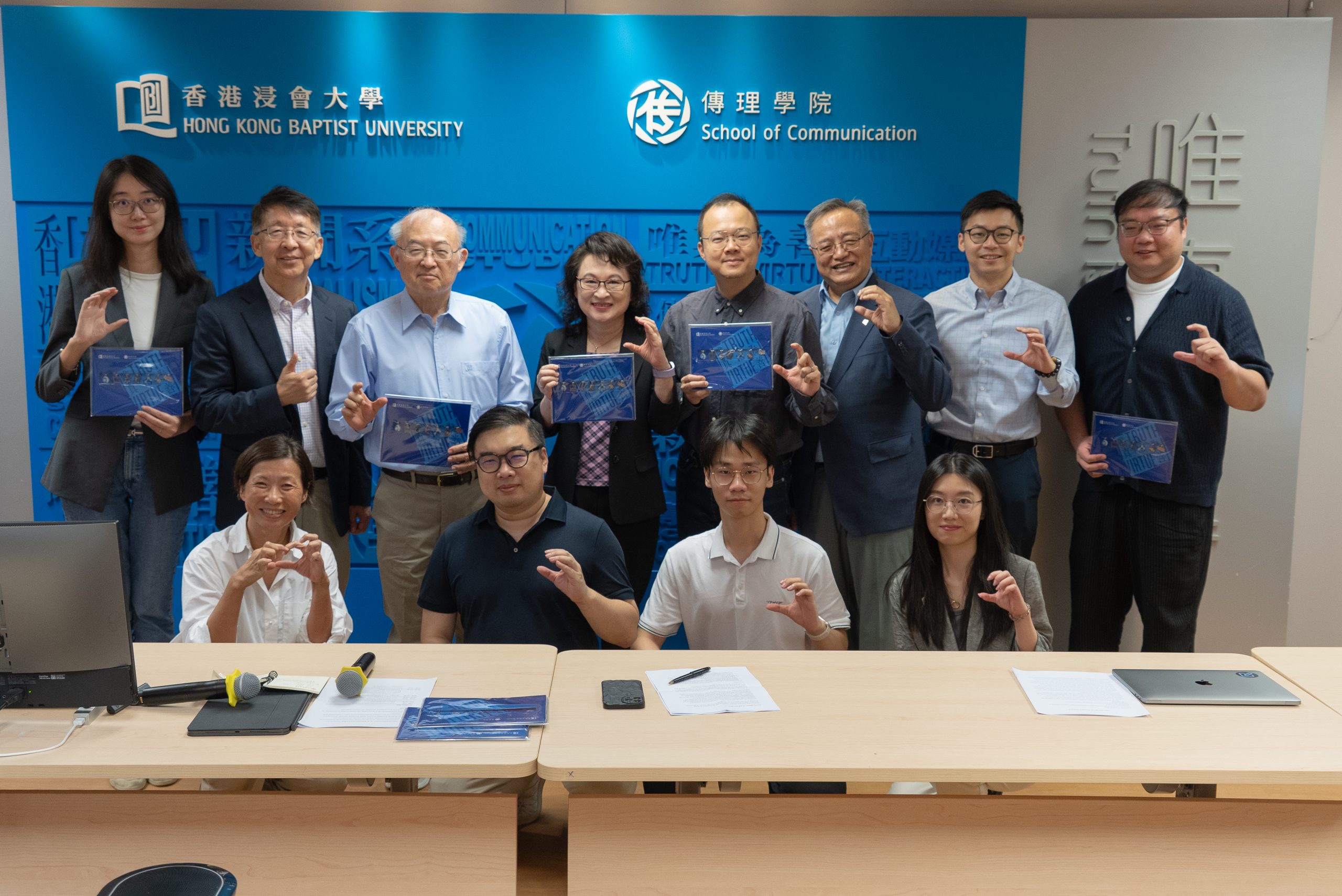 |
Participants at the workshop |
The participants expressed strong interest in continuing the conversation through future workshops and collaborative projects and publishable outputs aimed at producing internationally impactful research.
